London Parking Suspension Guide for Removals
Moving home or office in London often requires a parking suspension to give your removal van safe, legal access outside your property. This guide explains when you need one, how to apply through your local borough, typical costs, and the steps to avoid fines or delays on moving day. A simple, clear resource for anyone planning a London move.
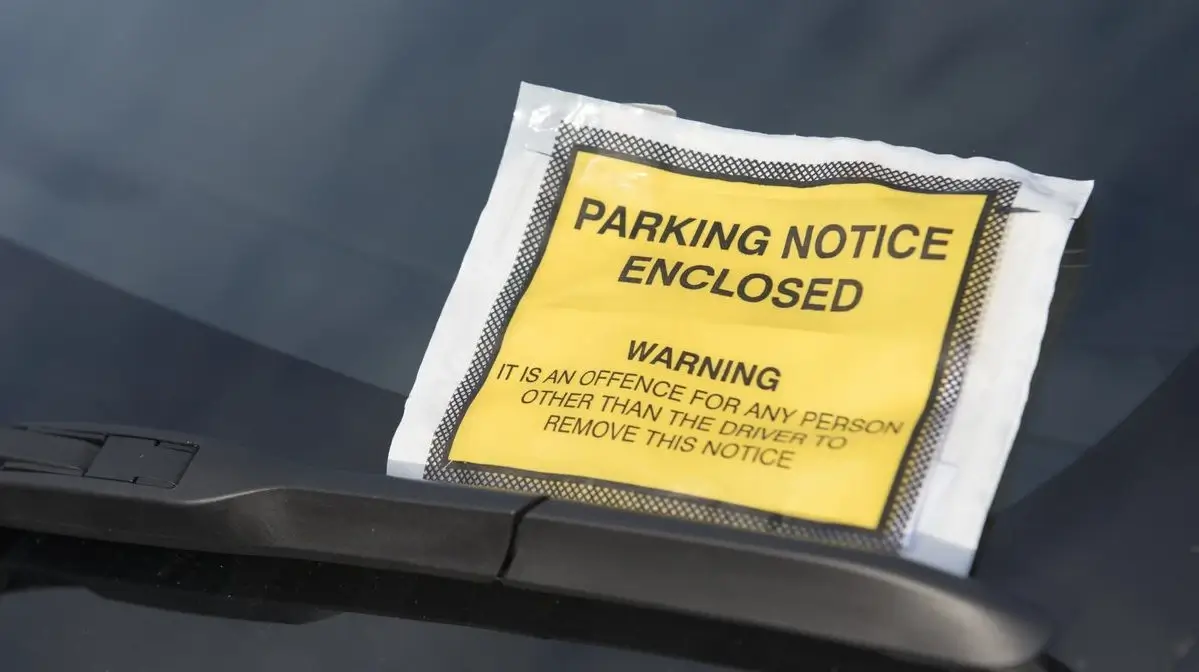
Why Parking Suspensions Matter When Moving in London
In most parts of the UK, you can park a removal van fairly close to the property without too much hassle. In London, it’s a very different story. Residential streets are packed, bays are controlled, and enforcement officers are everywhere. If you don’t suspend a parking bay in London when you need one, your moving day can quickly become longer, more stressful and more expensive than it should be.
A parking suspension is a legal reservation of a bay or space outside your home, allowing a removal van to park, load, and unload without risking fines or being moved on. For many London postcodes, especially in controlled parking zones (CPZs), this isn’t a “nice to have” – it’s essential.
Extra Time = Extra Cost
If movers can’t park outside your property, they may be forced to stop 50–100 metres away or on another street. That means:
-
Longer carries for every box and piece of furniture
-
Slower loading and unloading
-
Additional hours added to your bill
Example:
A simple 3-hour load in Camden can turn into 5 hours if the van parks far away — costing an extra £150–£250 unnecessarily.
Risk of Parking Fines
London boroughs issue £65–£130 fines for parking in controlled bays without a suspension. Movers can be ticketed even while actively loading. In some cases, officers may ask the van to move mid-job, causing delays or forcing movers to stop entirely. Booking a parking suspension will prevent that.
Higher Chance of Damage
Longer carries, tight walkways and navigating around parked cars increase the risk of items being bumped, dropped or scratched. Parking close to the property keeps the carry route short and much safer.
Stress and Delays on Moving Day
Without a proper place to park, your move may run late, affecting:
-
Key handovers
-
Cleaners
-
Lift bookings
-
Check-in times at your new home
A parking suspension prevents avoidable delays and keeps your move running smoothly.
In short:
A simple suspension can save you time, money, stress and potential fines — and is one of the smartest steps you can take when planning a London removal.
What Is a Parking Suspension in London?
A parking suspension is a temporary restriction placed on a parking bay so it can be reserved for a specific purpose — such as a removal van loading or unloading outside your property. When a suspension is granted, the council will install official yellow suspension signs and no other vehicles are legally allowed to park there during the specified time.
In London, suspensions are common because most streets fall under controlled parking zones (CPZs) where spaces are limited and tightly regulated. A suspension ensures your movers have legal, safe, and convenient access on the day of your move.
When a Parking Suspension Is Required
You typically need a suspension if your removal van needs to stop in any of the following:
-
Resident bays
Spaces reserved for permit holders during certain hours. -
Pay-and-display bays
Even if you are willing to pay, these bays often cannot legally be occupied by a removal van without suspension. -
Permit-only or shared-use zones
Common in boroughs like Camden, Westminster and Kensington. -
Side streets off Red Routes (with restrictions)
Main red routes usually don’t allow suspensions, but surrounding controlled side streets often require them.
If you are unsure, it’s safest to assume a suspension may be needed — especially in dense boroughs.
Parking Suspensions vs Dispensations vs Loading Permissions
Many London movers and residents confuse these terms. Here’s the difference:
-
Parking Suspension
Reserves a bay exclusively for your removal van. No other vehicle may legally park there.
Most common for residential moves. -
Dispensation
Allows a vehicle to stop on single or double yellow lines or restricted areas temporarily.
Not all boroughs issue dispensations, and they are usually more limited. -
Temporary Loading Permission
A specialised allowance, usually managed by TfL, for limited stopping on or near red routes.
Rarely approved for typical home removals and often expensive.
When Do You Need a Parking Suspension for a Removal Van?
You’ll need a parking suspension whenever a removal van can’t legally or safely park outside your property. In London’s controlled streets, this happens more often than you’d think. Here are the most common situations:
1. Permit-Controlled Streets – If your road has resident-only bays or CPZ restrictions, a removal van cannot use these without a suspension.
2. No Driveway or Off-Street Parking – When street parking is the only option, reserving a bay is essential to guarantee space for the van.
3. Narrow or Busy London Streets – Boroughs like Camden, Westminster and Kensington have tight kerbsides and strict enforcement. Without a suspension, the van may have to park far away or risk fines.
4. High-Rise Buildings With Loading Bays – Modern developments often require advance bookings for their loading bays. A suspension or slot is mandatory.
5. Roads With Loading Restrictions – Some streets limit or forbid loading during certain hours. A suspension allows the van to operate legally.
6. Tight or Blocked Access – If parked cars often fill the space outside your home, suspending the bay keeps the area clear for movers.
7. Moves Requiring Two Vans – Most removal vans need two bays, while trucks over 7.5t will need 3 or more. Having multiple vans on a job will require multiple parking bay suspensions. This ensures all vehicles can park safely and close together.
How to Apply for a Parking Suspension in Your London Borough
Applying for a parking suspension is straightforward once you know the steps, but every London borough has slightly different rules, notice periods and fees. Here’s the general process most councils follow.
1. Identify Your Borough and Controlled Zone
Start by confirming which council manages your street.
You can check:
-
Your council tax bill
-
Local street signage
-
GOV.UK “Find Your Local Council”
Most boroughs operate multiple Controlled Parking Zones (CPZs), so note your exact zone name.
2. Locate the Exact Bay to Suspend
You’ll need to specify the precise bay or space the removal van must use. Movers can help identify this during a survey.
Useful details include:
-
Bay number or location description
-
Side of the street
-
Nearest house number
The more accurate your information, the smoother the approval.
3. Apply Online Through Your Borough’s Website
All London boroughs accept suspension applications online.
You’ll typically fill in:
-
Date and time of your move
-
Reason (“removal van loading/unloading”)
-
Bay location
-
Your contact details
Some councils require photos of the bay to prevent disputes.
4. Pay the Suspension Fee
Costs vary widely depending on borough and duration, but expect £40–£120 per day per bay.
Some councils also charge:
-
Admin fees
-
Additional fees for fast-track or same-week requests
5. Council Installs Yellow Suspension Signs
Most boroughs will put up official signs 24–72 hours before your move.
These signs make the suspension legally enforceable and warn other drivers not to park there.
6. Confirm With Your Movers
Once approved, share the confirmation and suspension details with your removal company. They’ll check timings, access, and whether one or two bays are needed.
Important Tip: Apply early. Some boroughs require 5–10 working days’ notice, especially Camden, Westminster and Kensington.
Related topic: Living costs in London guide
Parking Suspension Costs by London Borough
Parking suspension fees vary significantly across London, with each borough setting its own daily rates, notice periods and admin charges. Most removals require suspending one or two bays for one day, but prices can differ widely depending on location and demand.
Below is a clear overview to help you estimate what you’re likely to pay.
Typical Cost Range in London
Most boroughs charge £40–£120 per day per bay, with premium central areas generally costing more. Some councils also charge additional admin or fast-track application fees.
Example Costs (Approximate)
-
Camden: £65–£120 per day — 5–7 days’ notice — high demand, strict CPZ zones
-
Westminster: £55–£105 per day — 5–7 days — premium central pricing
-
Kensington & Chelsea: £57–£110 per day — 3–5 days — fast turnaround available
-
Hackney: £40–£70 per day — 3–5 days — efficient online system
-
Islington: £50–£95 per day — 3–6 days — very limited parking availability
-
Wandsworth: £45–£75 per day — 3 days — more affordable than central boroughs
-
Tower Hamlets: £45–£85 per day — 3–5 days — common for new-build flat moves
-
Hammersmith & Fulham: £60–£100 per day — 5 days — frequent enforcement
-
Lambeth: £40–£70 per day — 3–5 days — busy inner-London zones
(Values vary by location within each borough and may change annually.)
Tip for Saving Money
If your mover can operate from a nearby unrestricted loading area, you may not need a suspension at all — but always check with them first. Most moves in inner London do require one.
What Happens If You Don’t Get a Parking Suspension?
Skipping a parking suspension might seem like a small risk, but in London it can quickly turn a routine move into an expensive, stressful day. Here are the most common issues that arise when the van can’t legally park outside your property.
1. Parking Fines (£65–£130)
If the removal van stops in a restricted bay without a suspension, enforcement officers can issue multiple PCNs—even while movers are loading. Some boroughs are extremely strict.
2. Delays and Overrunning Costs
If the van can’t park near your home, movers may need to load from 50–100 metres away. This adds significant time, potentially increasing your bill by £100–£250+.
3. Movers Asked to Move the Van
Council officers may force the van to relocate mid-job, stopping the move and creating major delays.
4. Refusal to Unload
Some removal companies will not unload if parking is illegal or unsafe, especially in boroughs like Camden, Westminster, and Kensington.
Bottom Line
A missing suspension can lead to fines, delays, extra charges, stress, and avoidable risks. A quick application prevents all of this and keeps your moving day running smoothly.
How Removal Companies Help with Parking Arrangements
Experienced London movers make parking planning much easier. During the survey, they identify the correct bay, check your street’s CPZ restrictions, and confirm whether a suspension is needed. They also provide the vehicle size and registration details required for your application and advise if one or two bays must be reserved based on access.
Many London removal firms understand each borough’s rules and enforcement habits, and some even offer a full parking-management service for busy streets or complex moves. For more guidance on preparing for a home move, see our House Removals London page.
London Boroughs With the Strictest Parking Rules
Some London boroughs enforce parking and loading rules far more aggressively than others. If you’re moving in these areas, a suspension is almost always essential.
-
Camden – Extremely strict CPZs and constant patrols. Limited space.
-
Westminster – Nearly all streets controlled; expensive and heavily enforced.
-
Kensington & Chelsea – Narrow streets, high demand, fast ticketing.
-
Islington – Dense parking zones with tight loading restrictions.
-
Hackney – Busy roads, limited bays, strong enforcement presence.
Tip: In these boroughs, apply for your suspension early (3–7 days’ notice recommended).
Related topic: London moving costs guide
Red Routes & Removals – What You Need to Know
Red Routes are major roads managed by Transport for London (TfL), marked by red lines where stopping is heavily restricted. These roads are designed to keep traffic moving, which makes them extremely challenging for removals.
What You Need to Know
-
No stopping on double red lines at any time.
-
Limited loading may be allowed on single red lines, but only during specific windows.
-
Parking suspensions are not issued on Red Routes.
-
Temporary loading dispensations from TfL exist but are costly, rarely approved, and usually unsuitable for home moves.
What to Do If You Live on a Red Route?
-
Arrange loading on a nearby side street (often requires a suspension).
-
Ask your movers to assess safe access during the survey.
-
Consider early-morning or off-peak loading times if permitted.
How to Check Parking Restrictions Outside Your Property
Knowing the exact parking rules on your street helps you avoid mistakes and apply for the right suspension. Here’s a quick guide to checking restrictions before moving day.
1. Look for CPZ Signs
Controlled Parking Zone signs at street entrances show the hours when bays are restricted. If your move falls within these times, you’ll likely need a suspension.
2. Check Street Bay Markings
Resident bays, shared-use bays, pay-and-display bays and loading bays all have different rules. Read the small signs attached to the poles near each bay — they tell you who can park there and when.
3. Use Your Borough’s CPZ Map
Most London councils publish online maps showing where restrictions apply. These maps help you understand whether your road is heavily controlled or lightly regulated.
4. Check Time-of-Day Restrictions
Some streets allow loading only at specific times, while others ban loading entirely during peak hours. If your move falls outside the allowed window, a suspension is needed.
5. Use Google Street View
A quick Street View check can reveal bay numbers, parking signs and access issues. This is especially helpful if you’re planning your move before visiting the property.
6. Ask Your Removal Company
Experienced movers can quickly tell you whether your street requires a suspension. They assess access during the survey and know the enforcement habits of each borough.
Summary:
Take a few minutes to check restrictions before your move — it’s the easiest way to avoid fines, delays and unnecessary stress.
How Far in Advance Should You Apply for a Parking Suspension?
The earlier you apply for a parking suspension, the smoother your move will be. Each London borough has its own notice period, and some are stricter than others.
Typical Notice Period:
Most councils require 3–10 working days to approve and install suspension signs.
Recommended Timing:
-
Central boroughs (Camden, Westminster, Kensington): Apply 7–10 days before your move.
-
Inner London (Islington, Hackney, Lambeth): Apply 5–7 days in advance.
-
Outer boroughs (Wandsworth, Hounslow, Barnet): 3–5 days is usually enough.
Short-notice requests:
Some councils offer fast-track applications, but these come with higher fees and are not always guaranteed.
Same-day or next-day suspensions:
Extremely rare and almost never approved. Always plan ahead to avoid disappointment and parking problems.
Bottom line:
As soon as you confirm your moving date, complete the suspension application — especially if you’re in a high-demand area.
Borough-by-Borough Quick Links for Parking Suspension Applications
Each London borough has its own online system for booking parking suspensions. Below is a quick-reference list to help you find the right application page fast. Simply search the phrase shown for your borough to reach the correct form.
Central London Boroughs
-
Camden: search “Camden parking suspension application”
-
Westminster: search “Westminster parking suspension request”
-
Kensington & Chelsea: search “RBKC parking suspension apply”
-
Islington: search “Islington parking suspension form”
North & East London
-
Hackney: search “Hackney parking suspension apply”
-
Haringey: search “Haringey parking suspension request”
-
Tower Hamlets: search “Tower Hamlets parking suspension application”
-
Newham: search “Newham parking suspension apply”
South London
-
Lambeth: search “Lambeth parking suspension booking”
-
Southwark: search “Southwark parking suspension form”
-
Wandsworth: search “Wandsworth parking suspension request”
-
Lewisham: search “Lewisham parking suspension apply”
West London
-
Hammersmith & Fulham: search “H&F parking suspension apply”
-
Ealing: search “Ealing parking suspension request”
-
Hounslow: search “Hounslow parking suspension form”
-
Brent: search “Brent parking suspension application”
Tip:
Use the wording exactly as above — these search terms return the official council page instantly.
How Much Space Does a Removal Van Need?
Most London removal vans are long-wheelbase Luton vans, typically 6.5–7 metres long and over 2 metres wide. A single parking bay is often too short, which is why many moves require two suspended bays to fit the van safely.
One bay may be enough for a small van, but for standard house moves, two bays ensure:
-
the van fits without overhanging
-
doors and tail-lift can open safely
-
movers can load without blocking traffic
In narrow areas like Camden terraces or Islington one-way streets, the van simply cannot fit unless two bays are cleared. Insufficient space forces movers to park further away — leading to longer carries, higher costs, safety risks and potential fines.
A correctly sized suspended area keeps loading efficient, legal and safe.
FAQs – Parking Suspensions for Removals in London
Do I need a parking suspension for a removal van?
If your street has controlled bays, limited parking or busy traffic, yes. Most London moves require a suspension to park legally and safely.
Who applies for the suspension — me or the removal company?
You do. Movers can guide you, but councils only accept applications from residents or property occupants.
How much does a parking suspension cost in London?
Typically £40–£120 per day per bay, depending on the borough.
How much notice do I need to give?
Most councils require 3–10 working days. Central London boroughs often need longer.
Can I book two bays for a large move?
Yes. Many movers recommend suspending two bays if you have lots of furniture or a long-wheelbase van.
Will the council put up signs?
Yes. They install yellow suspension signs 24–72 hours before your move, depending on borough rules.
What if someone parks in the suspended bay?
Call the council immediately. They can issue a ticket or arrange removal. Movers will help manage the situation.
Do I need a suspension for a man and van?
Sometimes. Smaller vans can use loading areas but still cannot park in controlled bays without permission.
Are parking dispensations the same as suspensions?
No. Dispensations allow short-term stopping on restricted lines. Suspensions reserve a bay exclusively for your van.
Can I change or cancel a suspension?
Most councils allow changes with notice, but fees are often non-refundable.
Final Reminder
A parking suspension may seem like a small detail, but in London it can make the difference between a smooth, efficient move and a stressful, expensive day. By reserving a legal space for your removal van, you avoid fines, delays, long carry distances and unexpected charges — all while giving your movers the access they need to work safely and quickly.
If you’re planning a move in London, take a moment to check your street, apply early, and confirm everything with your removal company. It’s one of the simplest ways to guarantee a stress-free moving experience.
Ready to Plan Your Move?
Don’t let parking, access or logistics slow you down. Get personalised quotes from trusted London movers who know how to handle city moves smoothly.